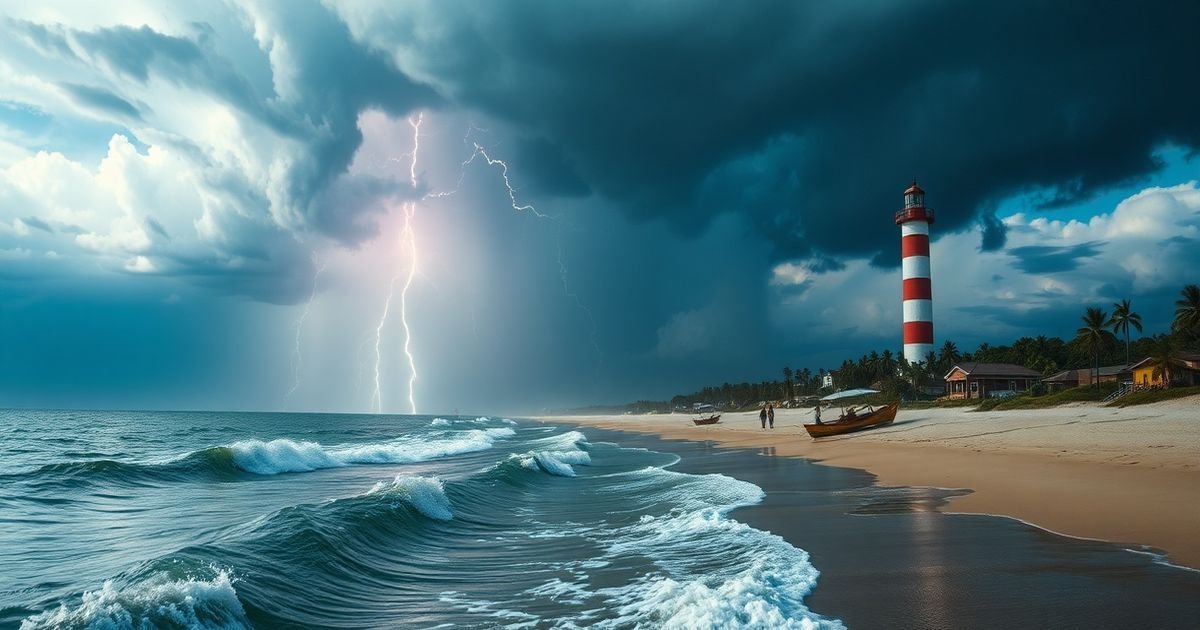
What is Thunderonthegulf?
Thunderonthegulf refers to the particularly intense and frequent severe thunderstorm activity that impacts the Gulf Coast region of the United States. This meteorological phenomenon characterizes the powerful storm systems that develop over the warm Gulf of Mexico waters before moving ashore, bringing destructive lightning, torrential rainfall, damaging winds, and sometimes tornadoes. The term has gained prominence among meteorologists, emergency management officials, and coastal residents who face these recurring weather threats.
Unlike ordinary thunderstorms, thunderonthegulf events involve a unique convergence of atmospheric conditions: high moisture content from the Gulf, strong wind shear, and intense instability. These elements combine to create storms that can produce lightning strikes exceeding 100,000 amperes and wind gusts surpassing 70 mph. The phenomenon particularly affects states including Texas, Louisiana, Mississippi, Alabama, and Florida’s panhandle, where geography and climate create a perfect storm environment.
Understanding thunderonthegulf is crucial for coastal communities, as these events account for significant property damage, agricultural losses, and power outages throughout the year. According to National Weather Service data, the Gulf Coast experiences some of the nation’s highest thunderstorm frequencies, with thunderonthegulf representing the most extreme manifestation of this pattern.
Meteorological Causes and Formation
The formation of thunderonthegulf storms depends on several critical atmospheric ingredients that converge uniquely in this region. First, sea surface temperatures in the Gulf of Mexico typically exceed 80°F (27°C), providing abundant moisture and thermal energy. This warm water acts as a fuel source, evaporating massive amounts of water vapor into the lower atmosphere.
Second, the Gulf Coast’s geography creates a natural convergence zone where continental and maritime air masses frequently collide. When cold, dry air masses from the north meet warm, moist air from the Gulf, the resulting boundary triggers vigorous upward motion. This lifting mechanism is essential for thunderstorm development and intensification.
Third, wind shear—changes in wind speed and direction with height—organizes these storms into severe complexes. Strong shear allows storms to rotate and persist for extended periods, sometimes forming supercell thunderstorms capable of producing large hail and tornadoes. The combination of high instability and strong shear makes thunderonthegulf events particularly dangerous and long-lived compared to storms in other regions.
Geographic Impact Zones
Thunderonthegulf storms primarily affect a broad swath of the Gulf Coast, but certain areas experience more frequent and severe impacts than others. The most vulnerable zones include:
- Texas Gulf Coast: From Brownsville to Galveston, where warm waters and flat terrain allow storms to maintain intensity
- Louisiana Wetlands: The unique geography creates enhanced moisture convergence, particularly around New Orleans and Baton Rouge
- Mississippi and Alabama Coasts: Regions between Mobile Bay and the Mississippi Sound face direct hits from Gulf-developed systems
- Florida Panhandle: Areas from Pensacola to Panama City experience frequent thunderonthegulf events, especially during summer months
These zones share common characteristics: proximity to warm Gulf waters, relatively flat topography that doesn’t disrupt storm structure, and urban development that can exacerbate flooding impacts. Communities in these areas must maintain robust severe weather preparedness plans and infrastructure resilience measures to withstand the annual onslaught of thunderonthegulf activity.
Seasonal Patterns and Timing
While thunderonthegulf storms can occur year-round, they exhibit distinct seasonal patterns that help predict their frequency and intensity. The primary season extends from March through October, with peak activity occurring during June and July. During these summer months, the Gulf of Mexico reaches its warmest temperatures, and atmospheric instability is maximized.
Secondary peaks occur during the spring (March-May) and fall (September-October) months when strong cold fronts collide with lingering warm, moist Gulf air. These frontal collisions often produce the most violent thunderonthegulf events, including tornado outbreaks and derecho-producing storm complexes.
Interestingly, 2026 forecasts suggest an intensified thunderonthegulf season due to emerging climate patterns. Meteorologists predict above-average Gulf water temperatures and a potentially strong El Niño event, both factors that could increase storm frequency and severity. Residents should prepare for an active season with heightened lightning activity and flash flood risks.
Safety Preparedness Measures
Protecting against thunderonthegulf threats requires comprehensive preparedness strategies at both individual and community levels. Essential safety measures include:
Personal and Family Preparedness:
- Develop a severe weather action plan with designated shelter locations
- Install lightning protection systems on homes and critical infrastructure
- Maintain emergency supply kits with flashlights, batteries, and weather radios
- Sign up for wireless emergency alerts and multiple weather notification services
Community Infrastructure:
- Enhance drainage systems to handle torrential rainfall exceeding 2 inches per hour
- Harden power transmission systems with lightning-resistant equipment
- Implement building codes requiring wind-resistant construction and impact-resistant windows
- Establish community warning systems with both sirens and digital notifications
For more detailed emergency planning resources, explore our comprehensive guides that cover everything from family communication plans to property protection strategies. Additionally, NOAA’s Weather Ready Nation program offers valuable tools and information for Gulf Coast residents seeking to improve their severe weather readiness.
2026 Outlook and Forecasting Advances
The 2026 thunderonthegulf season promises to benefit from significant technological advances in meteorological forecasting. Next-generation radar systems now provide minute-by-minute storm tracking with unprecedented precision, while AI-powered prediction models can identify severe potential 6-12 hours earlier than previous systems. These improvements give communities more lead time to implement protective actions.
Climate scientists also note that changing Gulf conditions may alter traditional thunderonthegulf patterns. Warmer sea surface temperatures could extend the severe weather season into late fall, while increasing atmospheric moisture content may intensify rainfall rates by 10-15% per degree of warming. Understanding these evolving trends helps emergency managers adapt their strategies for future challenges.
To stay updated on the latest thunderonthegulf developments and community preparedness events, visit our local events hub where we regularly post weather safety workshops and emergency planning sessions. Being informed is your best defense against these powerful storms.
Conclusion
Thunderonthegulf represents one of the most significant meteorological threats facing Gulf Coast communities, combining intense lightning, damaging winds, heavy rainfall, and tornado potential. Understanding this phenomenon’s causes, seasonal patterns, and geographic targets enables residents and officials to implement effective protective measures. As we move through 2026, staying informed about forecasting advances and maintaining robust preparedness plans will be essential for weathering these powerful storms safely.